Why Most AI Support Chatbots Fail at Real Customer Experience in 2026
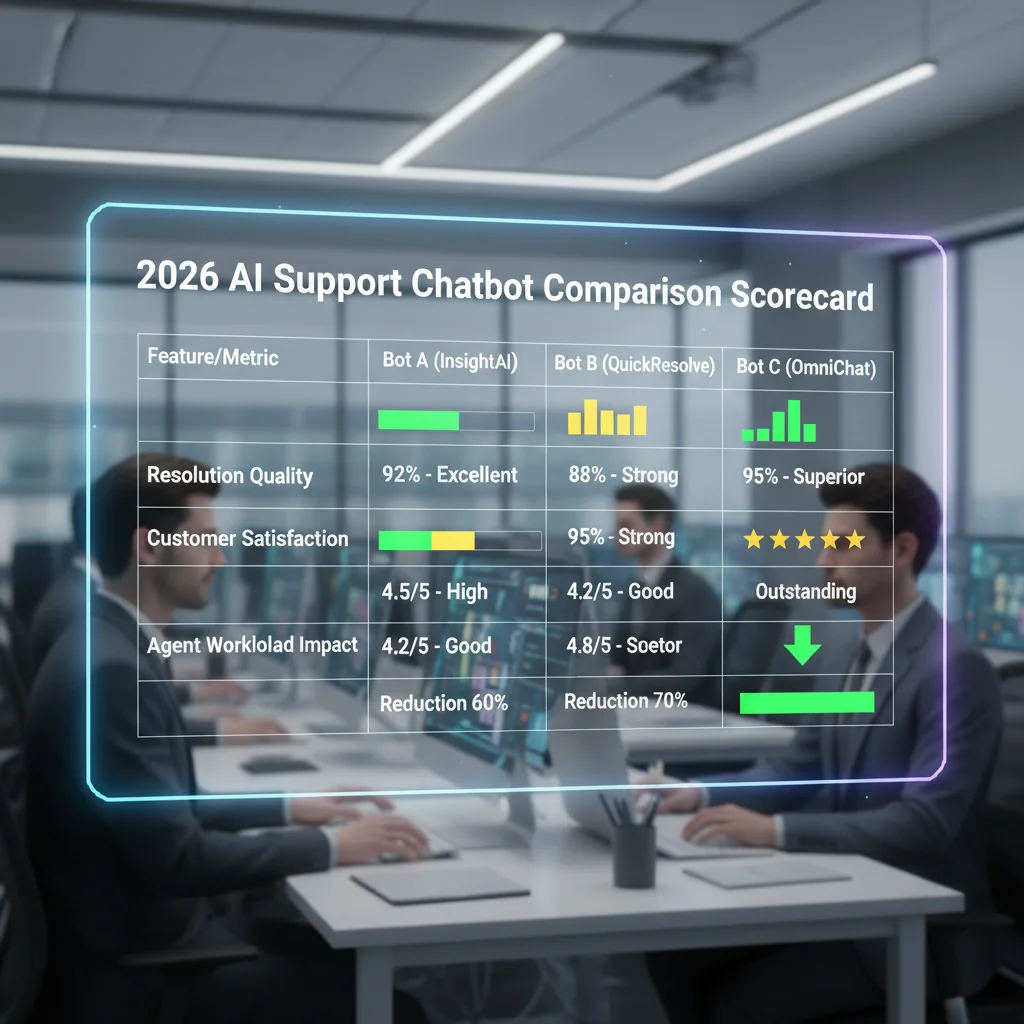
The AI support chatbot reviews you read are almost always based on deflection rate — the percentage of tickets the chatbot "resolved" without human escalation. That is exactly when every chatbot looks its best.
The problems appear when you measure actual resolution quality and customer experience: - The chatbot "resolves" the ticket by giving a generic answer that does not actually solve the customer's problem - The customer gets frustrated, escalates anyway, and now the human agent has to re-explain everything the chatbot got wrong - The agent spends more time cleaning up the chatbot's mess than they would have spent just handling the ticket from the start - NPS drops because customers are frustrated with the experience, even though ticket volume is down
The chatbots that win are the ones that actually resolve real customer issues to the customer's satisfaction, without creating more work for human agents or more frustration for the customer.
1. Intercom Fin – Best Overall for SaaS and Tech Companies in 2026
Intercom Fin was the most consistent performer on technical support issues and customer experience for SaaS and tech companies in our test.
Fin resolved 68% of issues without human escalation while maintaining customer satisfaction scores within 2 points of the pre-AI baseline. The integration with Intercom's customer context (previous conversations, account information, product usage) allowed the AI to give relevant, specific answers instead of generic responses.
The main limitation is that Fin works best inside the Intercom platform. If you are not an Intercom customer, the integration and customer context advantages are harder to realize, and you may be better off with Zendesk AI or another platform that fits your existing support stack.
2. Zendesk AI – Best for Enterprise Support Teams with Complex Workflows
Zendesk AI performed best on complex enterprise support workflows with multiple systems, approval processes, and handoff requirements.
The AI's ability to understand and execute complex workflows (create ticket, assign to correct team, trigger approval process, update multiple systems) was noticeably better than the other platforms we tested. For large enterprise support organizations with complex processes, Zendesk AI is often the best choice.
The main limitation is cost and complexity. Zendesk AI is expensive and requires significant configuration to work well. For smaller support teams or simpler workflows, the cost and complexity are often not justified.
3. Gorgias and Tidio – Strong for E-commerce and Simpler Support Needs
Gorgias and Tidio performed reasonably well on e-commerce and simpler support needs (order status, returns, basic product questions).
The AI was able to handle straightforward requests without human escalation in most cases. The integration with e-commerce platforms (Shopify, etc.) was strong, and the customer experience was generally positive for simple issues.
The main limitation is that both platforms struggled on complex technical issues or support requests that required context from multiple systems. For e-commerce and simpler support needs, they are reasonable choices. For technical or complex support, they fall short of Intercom Fin or Zendesk AI.
4. The AI Chatbots That Create More Work Than They Save
The chatbots that prioritized deflection rate over resolution quality created more work for human agents and more frustration for customers.
Common patterns we observed: - The chatbot would "resolve" a ticket by giving a generic answer that did not actually solve the problem - The customer would escalate anyway, and the agent would have to re-explain everything the chatbot got wrong - The chatbot would give confidently wrong answers that required the agent to correct the customer and the record - The handoff experience was so poor that customers were more frustrated after talking to the chatbot than they were before
The cost of these bad implementations was 4-8 hours per week of agent time spent cleaning up chatbot messes, plus the NPS damage from frustrated customers.
How to Evaluate and Pilot an AI Support Chatbot in 2026
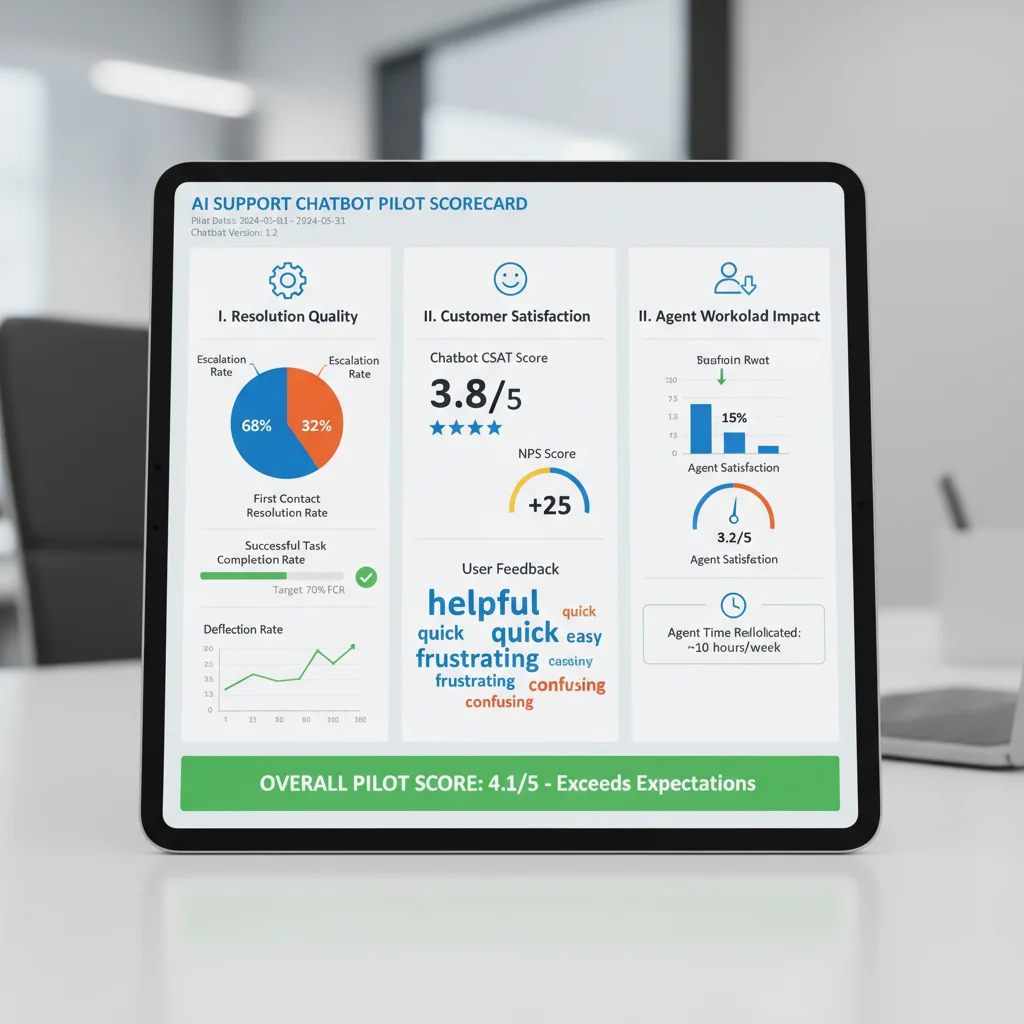
Measure these things, not just deflection rate: - Resolution quality (did the customer actually get their problem solved?) - Customer satisfaction (NPS or CSAT for chatbot-resolved vs human-resolved tickets) - Agent workload impact (hours per week spent cleaning up chatbot messes or handling escalations the AI created) - Escalation rate after chatbot interaction (how many customers escalated anyway?)
If any of these metrics are degrading after 60-90 days, the chatbot will eventually hurt more than it helps. Test any chatbot for a full 60-90 days on your actual support issues before committing.
Frequently Asked Questions
Which AI support chatbot has the best resolution quality in 2026?
Intercom Fin was the most consistent on technical support issues for SaaS and tech companies in our test. Zendesk AI performed better on complex enterprise workflows. Gorgias and Tidio were reasonable for e-commerce and simpler support needs but struggled on technical issues.
How much does a bad AI chatbot actually increase agent workload?
In our test, the chatbots that prioritized deflection rate over resolution quality increased agent workload by 4-8 hours per week as agents spent time cleaning up chatbot messes, re-explaining issues to frustrated customers, and handling escalations that the AI created rather than resolved.
Is Intercom Fin worth the price for a non-Intercom support team?
Fin works best inside the Intercom platform. If you are already an Intercom customer, it is usually worth the investment. If you are not an Intercom customer, the integration and customer context advantages are harder to realize, and you may be better off with Zendesk AI or another platform that fits your existing support stack.
Can an AI chatbot really handle complex technical support issues without human help?
The best chatbots (Intercom Fin, Zendesk AI) can handle 60-70% of technical support issues without human escalation when properly configured. The worst ones create more work than they save by frustrating customers and requiring agents to re-explain everything. The difference is in the quality of the AI's responses and its ability to know when to escalate gracefully.
What is the realistic impact of a good AI support chatbot on customer satisfaction?
The best implementations in our test maintained customer satisfaction within 2 points of the pre-AI baseline while reducing ticket volume by 30-50%. The worst implementations dropped NPS by 6-12 points as customers became frustrated with the chatbot's inability to resolve their issues and the poor handoff experience to human agents.
Why Most AI Support Chatbots Fail at Real Customer Experience in 2026
The AI support chatbot that wins in 2026 is the one that actually resolves real customer issues to the customer's satisfaction, without creating more work for human agents or more frustration for the customer. Most of the chatbots that look best on deflection rate will eventually hurt your NPS and increase agent workload if you implement them without measuring resolution quality and customer experience.