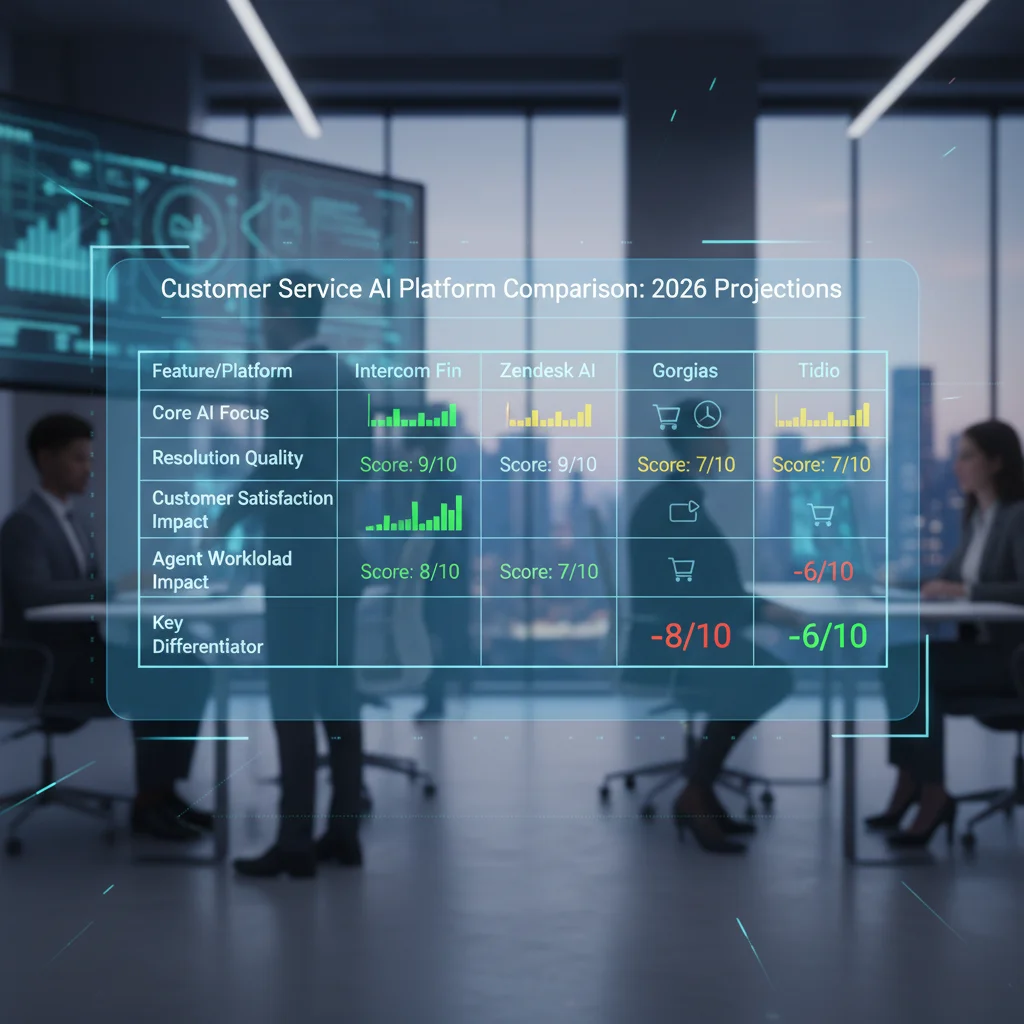
Small CS teams do not lose because Gorgias ranked below Intercom Fin in a screenshot. They lose because the bot closes a ticket the human never sees, then the customer writes again from a new email. This page keeps the intercom fin vs zendesk ai 2026 names as helpdesk copilots, not as a four-way trophy.
This sits next to the SDR plus CS stack hub. Outbound is a different job. Notes are a different job: notetaker into CRM.
Stay inside the helpdesk you already pay for
If you are on Gorgias because of Shopify, Fin in Intercom is not a free upgrade. It is a platform change. If you are on Zendesk because B2B accounts live there, Tidio is not a lateral move. The expensive part is macros, tags, SLAs, and the two people who remember how refunds work.
Automate two intents, not the brand voice
Good first automations: “where is my order” and “reset my login,” with a human control that never hides. Bad first automations: chargebacks, abuse, enterprise contract questions. Measure repeat contacts in 72 hours, not deflection. Deflection can mean the customer gave up.
Write the handoff rule on one line: if the bot is less than 80% sure, or the customer asks for a person twice, create a ticket with the transcript attached to the existing contact. No new orphan tickets.
Fin vs Gorgias vs Zendesk AI as operations
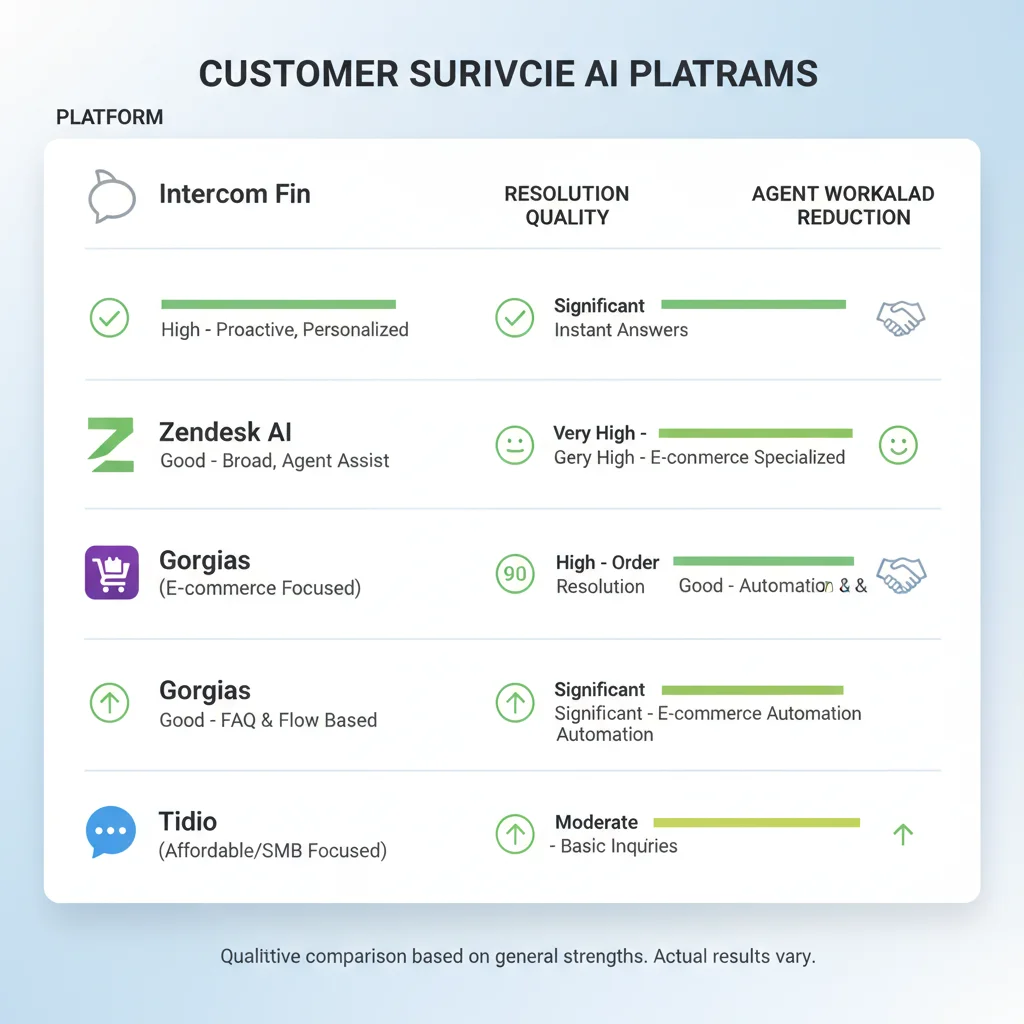
Intercom Fin is reasonable when you already live in Intercom and your catalog of questions is actually finite. Gorgias is reasonable when order data is the product and agents already work from that console. Zendesk AI is reasonable when you already run Zendesk properly—which most five-person teams do not.

Tidio can be a first inbox for a tiny catalog. It is not a CS org. Plan the exit before peak season.
90-day checks
Weeks 1–2: bot off on refunds and legal. Weeks 3–6: two intents only, weekly transcript review. Weeks 7–12: if repeat contacts rise, shrink automation. If CSAT on bot-closed tickets is fine and humans got time back for the messy tickets, keep it. Do not expand to a second AI helpdesk to “catch up.”
Transcript review is the product
Once a week, read ten bot conversations. Tag: should have escalated, wrong order status, customer asked for a human twice. If you cannot staff that review, turn the bot off. Intercom Fin, Gorgias, and Zendesk AI all fail the same way when nobody reads transcripts: they sound confident while the customer opens a second ticket.
Publish the handoff snippet in the help center so customers are not guessing the magic words. “Talk to a person” should work in one click, logged on the same contact, with the bot transcript attached. If Tidio cannot do that with your stack, it is a toy inbox, not CS.
Keep this inside the cluster
Do not solve a bad bot by buying a second helpdesk. Do not solve it with a notetaker. The notetaker page is for calls. This page is for tickets. The hub is for the 90-day sequence that ties both to outbound without adding logos.
Macros beat models
If your login-reset macro is messy, Fin cannot save you. Clean the two intents in Gorgias or Zendesk as if no AI existed, then turn the model on those intents only. Teams that skip this step blame the vendor for their own unsourced help center.
Frequently asked questions
Is Gorgias vs Intercom Fin a fair fight?
Only if you already live in that helpdesk. Switching platforms costs more than the add-on.
What should we automate first?
Order/status and login macros with a visible human path.
Does Zendesk AI make sense at this size?
Usually not until Zendesk is already the real system of record.
How do we know deflection is healthy?
Watch 72-hour repeats and CSAT on bot-closed tickets.
Should Tidio replace a helpdesk?
Only for a very small catalog, with an exit plan.