What Startups and Small SDR Teams Actually Need from a Cold Email Tool
If you are searching for the best cold email platform for startups, start here. Startups and small SDR teams have different constraints than enterprise sales orgs: - Limited budget (usually under $500-800/month for the whole team) - Limited (or zero) dedicated ops resources - Need for simplicity — the tool must work without constant manual management - The cost of a domain getting blacklisted is existential, not just annoying
The enterprise-grade platforms with the most features often create more problems than they solve when you do not have the operational resources to manage them properly. The tools that win for early-stage teams are the ones that work well without requiring a full-time person to babysit them.
1. Instantly – The Best Default Choice for Most Startups in 2026
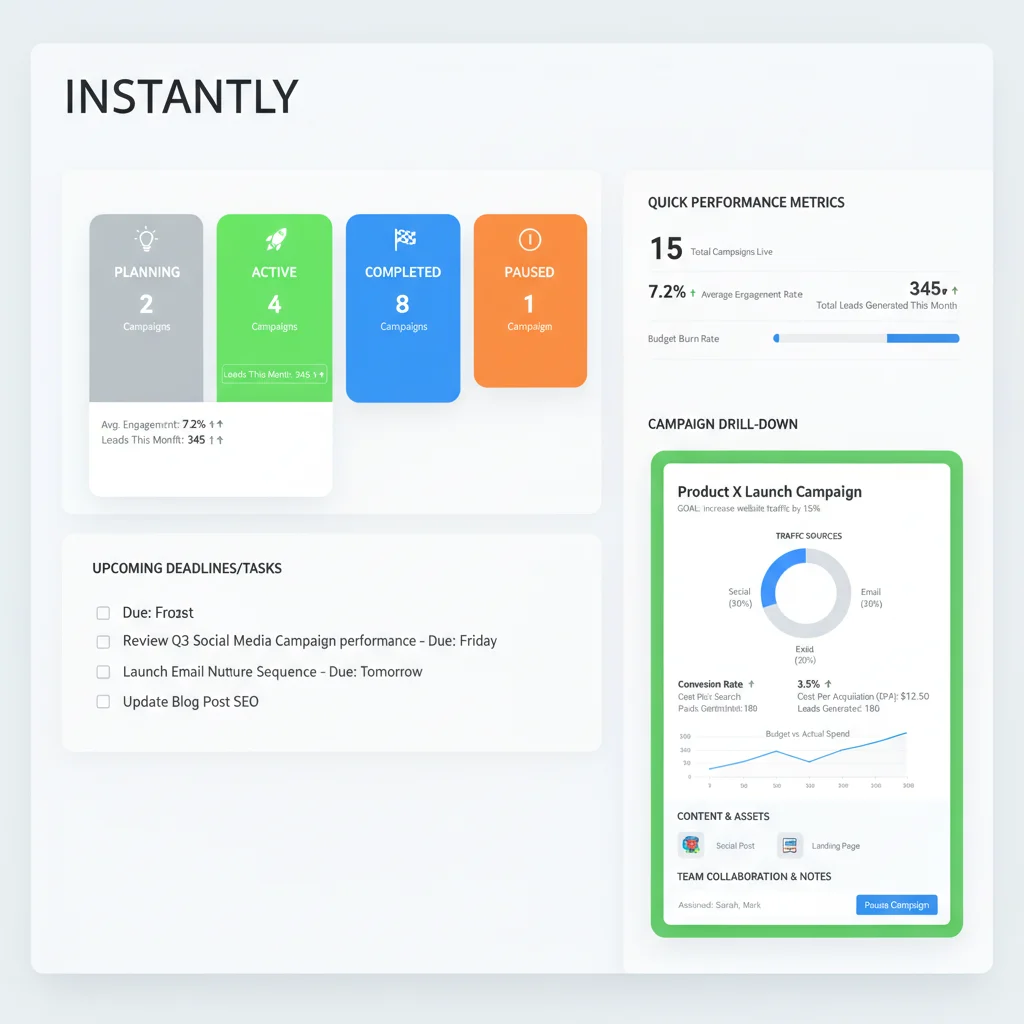
For most startups and small SDR teams, Instantly is the best default choice in 2026.
It offers the best balance of deliverability, usable AI personalization, and operational sanity without requiring dedicated ops resources. The campaign management interface is simple enough that a founder or early sales hire can manage 5-10 active sequences without it becoming a full-time job.
In our tests with early-stage teams, Instantly was the only platform that produced consistent 6-10% reply rates on cold outreach without requiring constant manual warmup management after the initial setup period. This is the difference between a tool that helps your pipeline and a tool that creates more work than it saves.
2. Smartlead – Only for Startups That Can Invest in Infrastructure Management
Smartlead can be a good choice for early-stage teams, but only if someone on the team (usually a technical founder or early hire) can own the infrastructure management.
The volume and inbox rotation capabilities are excellent. The AI personalization features are strong. The problem is that the operational overhead is significantly higher than Instantly. Teams that treat Smartlead as a "set it and forget it" tool usually see deliverability problems by month two.
If you have a technical co-founder or early sales hire who can manage warmup and monitoring, Smartlead can be a legitimate option. If you do not have that resource, Instantly is the safer and simpler choice for most early-stage teams.
3. Lemlist and Reply.io – Reasonable for Very Small Teams with Specific Needs
Both Lemlist and Reply.io can be reasonable choices for very small teams (under 5 SDRs) or teams with very specific feature needs (heavy LinkedIn + email sequences, advanced personalization requirements, etc.).
They also require more ongoing oversight to maintain deliverability at scale. For teams that are already stretched thin, the extra management work often creates more problems than the feature depth solves.
If you have a very specific use case that Instantly or Smartlead cannot handle well, Lemlist or Reply.io may be worth the extra oversight. For most early-stage teams, they tend to create more operational burden than the team can handle after the first 30-45 days.
4. The Tools That Startups Should Avoid (Even If They Are Cheap)
The cheapest "unlimited" cold email tools are often the most expensive for early-stage companies.
They achieve their low price by using shared, low-quality sending infrastructure that gets flagged quickly. The domains you use with them get blacklisted, your reply rates collapse, and you spend months trying to recover your sending reputation while your pipeline dries up and your runway burns.
The teams that made the biggest mistakes in our research were the ones that chose the cheapest tool with the highest claimed limits without testing deliverability over a full 30-45 day period on their actual ICP. The domain damage cost them far more in lost pipeline and extended runway than the subscription savings.
How to Choose and Pilot a Cold Email Tool as a Startup in 2026
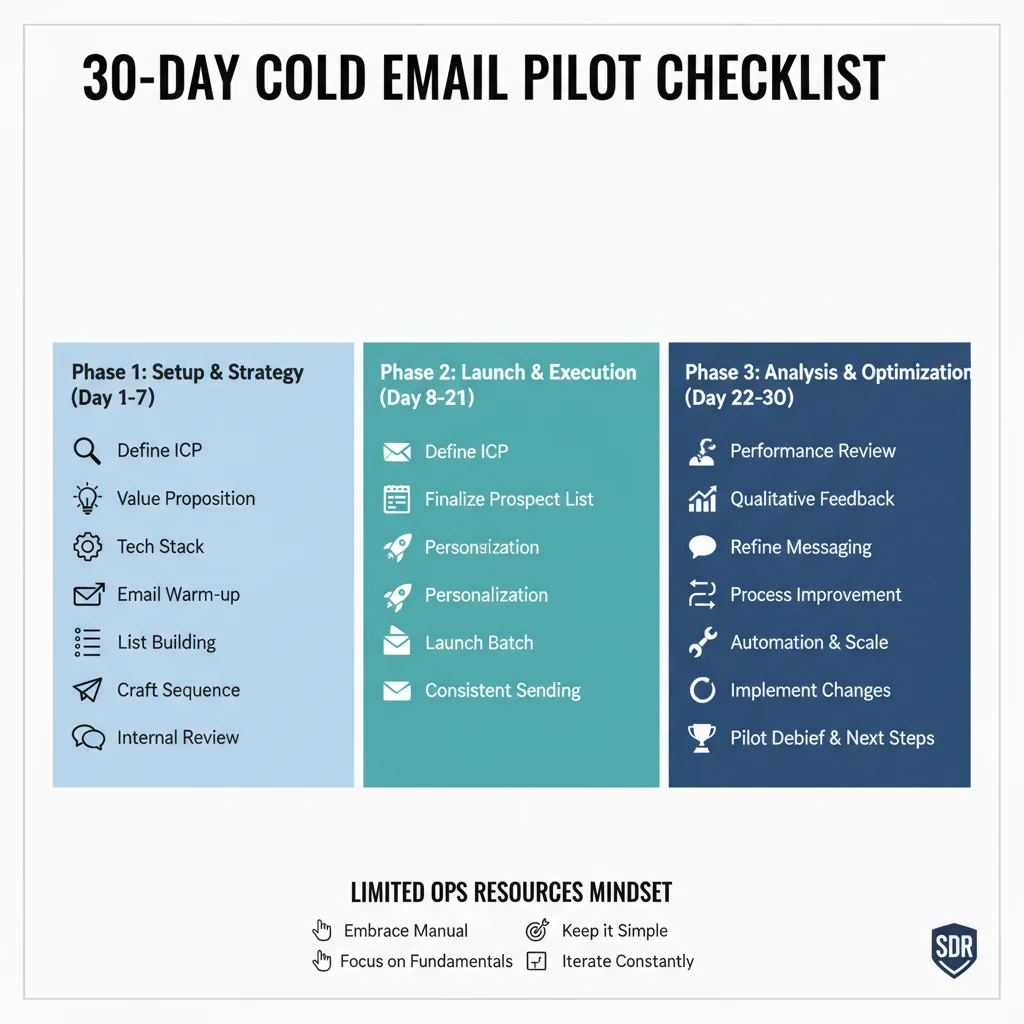
For early-stage teams with limited resources, the pilot should be simple: - Test on your actual ICP for at least 30-45 days (not just the first 14 days) - Measure reply rate from real humans (not just any reply) - Track time spent on manual warmup and monitoring per week - Watch for any signs of deliverability degradation (increasing spam folder placement, decreasing reply quality)
If any of these metrics are degrading after week 4, the tool will eventually hurt more than it helps. Do not commit significant budget or headcount until you have seen the tool perform for at least a full month on your real target buyers.
Frequently Asked Questions
Which cold email tool is best for a startup with 3-8 SDRs and no dedicated ops person?
Instantly is the most consistent recommendation for this situation. It offers good deliverability and usable AI without requiring constant manual management. Smartlead can work if someone on the team can own the infrastructure, but it usually creates more problems than it solves for teams without that resource.
How much should a startup actually spend on a cold email tool in 2026?
For a 3-8 person team, expect to spend $200-500/month on the platform itself plus the cost of proper warmup infrastructure and monitoring. The teams that spend under $150/month on 'unlimited' plans usually end up spending far more in domain recovery and lost pipeline.
Is Smartlead too complex for a small startup team?
It depends on whether someone on the team can own the infrastructure management. If you have a technical founder or early sales hire who can manage warmup and monitoring, Smartlead can be a good choice. If you do not have that resource, Instantly is the safer and simpler option.
How long should a startup test a cold email tool before committing?
At least 30-45 days on your actual ICP. The first 14 days are when every tool looks its best. The problems (deliverability degradation, low reply quality, operational burden) usually appear in weeks 3-6. Do not commit significant budget or headcount until you have seen the tool perform for at least a full month on your real target buyers.
What is the realistic reply rate for a startup doing cold outreach in 2026?
The best early-stage teams in our research were consistently achieving 5-9% reply rates on cold outreach to well-defined ICPs with proper deliverability hygiene. Anything above 12% on truly cold lists is usually a sign of poor list quality or non-compliant sending that will eventually damage the domain.
What Startups and Small SDR Teams Actually Need from a Cold Email Tool
The cold email tool that wins for early-stage companies in 2026 is the one that works well without requiring a full-time RevOps person to manage it. That tool is Instantly for most startups and small SDR teams. The cheapest "unlimited" tools are often the most expensive in the long run for early-stage companies. Test any tool for at least 30-45 days on your actual ICP before committing significant budget or headcount.
Startup Budget Reality Check
Most early teams evaluating the best cold email platform for startups underestimate mailbox warmup and domain reputation work. Budget at least two weeks before the first real campaign, keep daily send volume conservative, and assign one owner for bounce monitoring. Tools that look cheaper can cost more when an SDR loses a week debugging deliverability instead of booking meetings.
Related reads: AI tools for pitch decks · best AI presentation makers 2026 · AI coding assistants.