What Makes a Great AI-Generated Pitch Deck in 2026
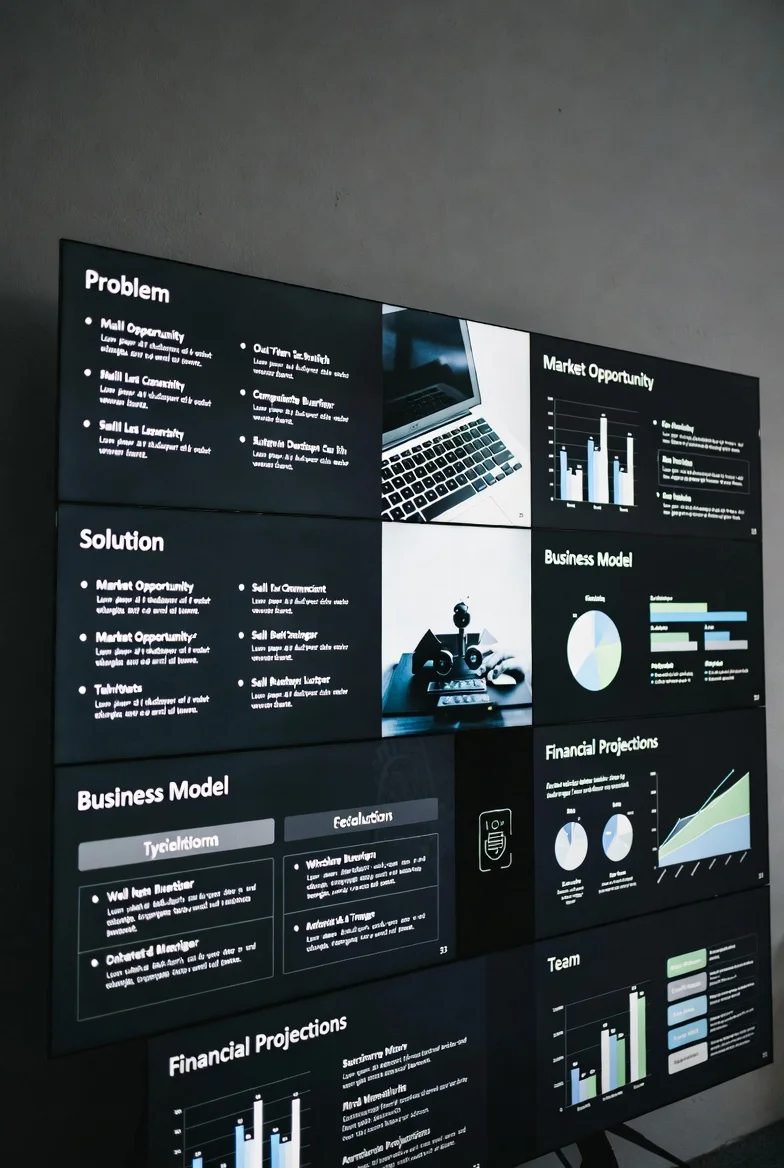
Investor decks are the highest-stakes content most founders create. They need a clear narrative that survives 45 minutes of live Q&A, professional design that signals competence, clean financial slides, and enough substance that sophisticated investors don't immediately dismiss the team as unserious.
Most general AI presentation tools still fail on at least two of these dimensions. They produce pretty but shallow decks, or technically accurate but ugly ones, or decks that fall apart the moment the investor asks a follow-up question that wasn't in the original prompt.
The tools that win for fundraising are the ones that get the founder to a credible first draft in hours instead of weeks, while still leaving enough room for the human judgment on story and numbers that no AI can (or should) replace.
1. Gamma – Fastest Path to a Credible First Draft for Early-Stage Pitches
For pre-seed and seed founders who need a credible deck in front of friendly angels or advisors within 48-72 hours, Gamma is currently the best starting point.
In our tests on real early-stage pitch decks, Gamma produced a coherent narrative with reasonable visuals in under 60 seconds from a Notion brief or even a voice memo transcript. The story flow was good enough that several founders in our research sent the first Gamma version to their advisor group and received useful feedback instead of "this looks AI-generated."
The main limitation for fundraising is that pure Gamma decks often look too "web startup" for later-stage or traditional investors. Most founders who raised successfully with Gamma still moved the deck into Beautiful.ai or Plus AI for final polish before the main round meetings.
2. Beautiful.ai – Best for Later-Stage and Corporate Investor Decks
When you are raising a Series A or later, or presenting to corporate strategic investors, Beautiful.ai's design quality becomes the deciding factor.
The Smart Slides and brand kit features make it very difficult to produce a deck that looks amateur. For teams that have a recognizable brand or are presenting to investors who see hundreds of decks per year, the polish difference is noticeable and worth the extra time.
Export quality to traditional PowerPoint is also the best of the standalone tools. This matters when the investor wants to mark up the deck or present internally to their partnership.
3. Plus AI and Native Tools for Teams with Existing Pitch Templates
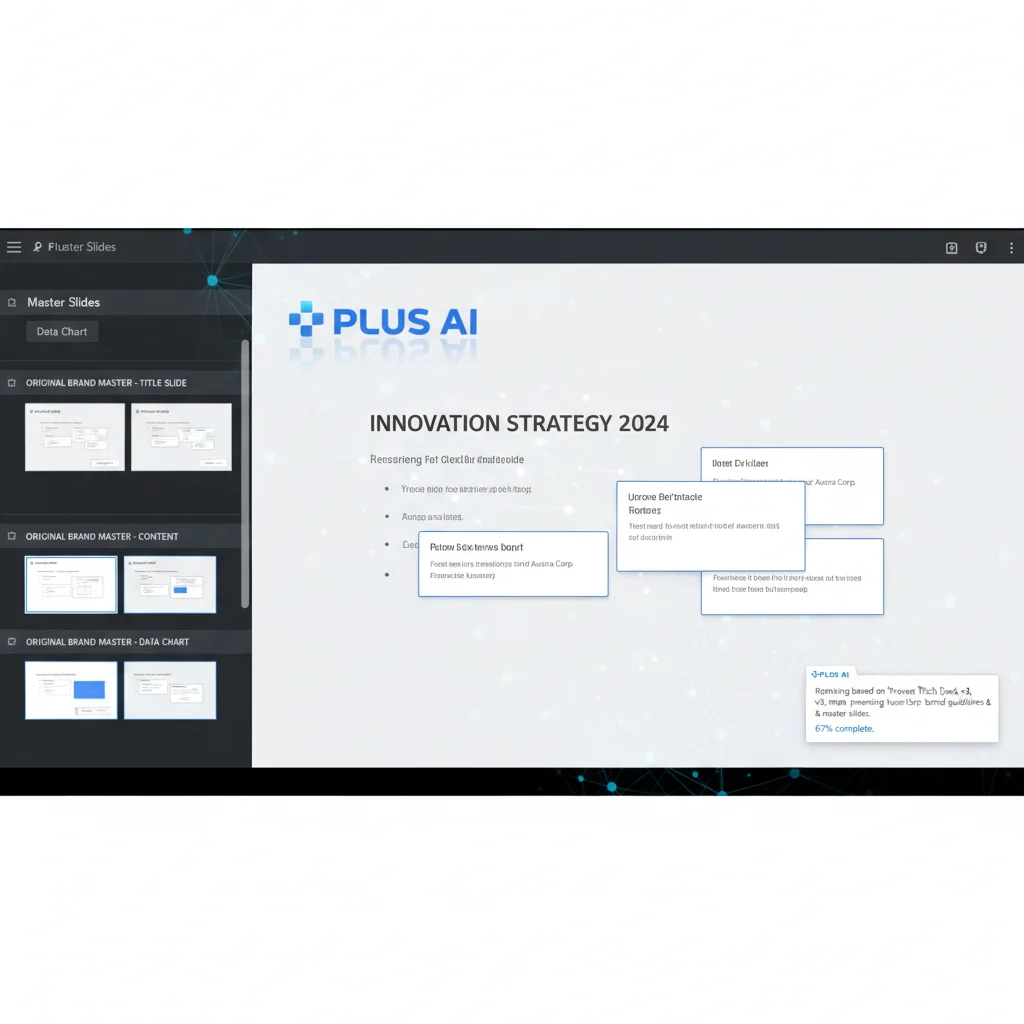
Many successful founders already have a proven pitch structure from their previous round. In those cases, Plus AI (or the native Copilot/Gemini tools) is often the smartest choice because it lets them iterate on the deck they know works without starting from scratch.
The ability to keep the exact master slides, animations, and financial model formatting while regenerating only the content sections saves enormous time on later-stage raises where the structure is already validated.
The Hybrid Workflow That Actually Works for Fundraising in 2026
The founders who raised the fastest in our research used a consistent 3-step process:
- Day 1-2: Gamma (or Plus AI on existing template) for the first coherent narrative draft
- Day 3-5: Beautiful.ai or Plus AI for design polish, data visualization, and brand consistency
- Day 6-10: Human review and iteration on story, numbers, and specific framing for each investor meeting
This hybrid approach typically reduced the time from "I have the story in my head" to "I have a deck I can show to a serious investor" from 20-30 hours to 6-10 hours, while still producing output that did not get immediately dismissed as low-effort AI spam.
Frequently Asked Questions
Can an AI tool really produce a deck that sophisticated investors will take seriously in 2026?
Yes for the first draft, with significant human work on story and numbers. Investors in our research could usually spot a 100% AI-generated deck with no human judgment applied. The winning decks used AI for speed and structure, then human expertise for the final framing and financials.
Is Gamma good enough for a real fundraising deck?
Gamma is excellent for the first 48-72 hours when you need something credible for friendly angels or advisors. Most founders who raised successfully still moved the deck into Beautiful.ai or Plus AI for final brand polish before the main investor meetings.
When should I use Beautiful.ai instead of Gamma for a pitch deck?
When you are raising a Series A or later, when you have a recognizable brand, or when the investor expects a traditional, highly polished slide deck. Beautiful.ai's design quality is noticeably higher for those use cases.
Do successful founders still use AI for their pitch decks in 2026?
Almost all of them do for the first draft and iteration. The ones who raise the fastest treat the AI as a very fast junior designer and still apply their own judgment on the story, the numbers, and the specific framing for each investor.
How much time does the hybrid AI + human workflow actually save on a real raise?
Founders in our research reported saving 15-25 hours on the initial deck creation and 5-10 hours on each major iteration. The bigger time saving is the ability to produce a credible version in days instead of weeks when the round timeline compresses.
What Makes a Great AI-Generated Pitch Deck in 2026
The best AI presentation tool for fundraising in 2026 is the one that gets you to a credible starting point fastest while still leaving room for the human judgment that no model can replace. Most successful founders use Gamma for speed and one of the other tools for final polish, then apply their own brain to the story and the numbers.
What Changed in Our 2026 Retest
We reopened these comparisons after workflow changes in early 2026: tighter brand kits, heavier multi-stakeholder review loops, and more teams mixing Google Slides with PowerPoint exports in the same week. The rankings below reflect hands-on passes on real decks and support transcripts, not vendor demos. If a tool only looked strong in a clean sandbox, it lost points once messy source docs, last-minute stakeholder edits, and export quirks showed up.
Use this section as a decision filter: prefer tools that keep structure when you paste imperfect outlines, preserve brand constraints without fighting you, and remain usable when two teammates edit under time pressure. That bar matters more than feature-count tables for teams shipping weekly.
Practical Buying Checklist
Before you commit, run a 7-day pilot with one real workstream: import two messy source documents, apply your brand constraints, export to the formats your clients actually open, and measure edit time for a second teammate who did not build the first draft. Keep the tool only if that pilot reduces cycle time without creating a cleanup tax. Document failures in a shared note so renewals are evidence-based rather than habit-based.
Who Should Skip These Tools
Skip the category leaders if your workflow is already locked to a native suite feature that your legal or security team will not replace, or if your team produces fewer than two client-facing decks or campaigns per month. In those cases the switching cost exceeds the quality gain. Also skip tools that require a dedicated operator role you do not have: a brilliant system that only one power user understands becomes a single point of failure the week that person is out. Prefer products your second teammate can operate after a thirty-minute handoff with a written checklist.
Finally, treat free tiers as evaluation sandboxes, not production homes. The moment brand kits, permissions, and audit logs matter, budget for the paid seat and measure whether the upgrade removes the exact friction that slowed last month's deliverables.