In the fast-paced world of e-commerce, visual content is king. However, traditional studio shoots are expensive, slow, and difficult to scale. Finding the best ai image generator for product photography has become a top priority for brands and creative agencies looking to optimize their workflows in 2026. By leveraging advanced diffusion models, businesses can now generate high-quality, commercially viable product assets in seconds. But which tool actually delivers on the strict requirements of professional online retail?
What Makes the Best AI Image Generator for Product Photography?
E-commerce brands and agencies that produce product photography at scale have requirements that make AI image generation more challenging than general creative work. A tool that generates beautiful fantasy landscapes might fail completely when tasked with maintaining the exact proportions of a physical consumer product.
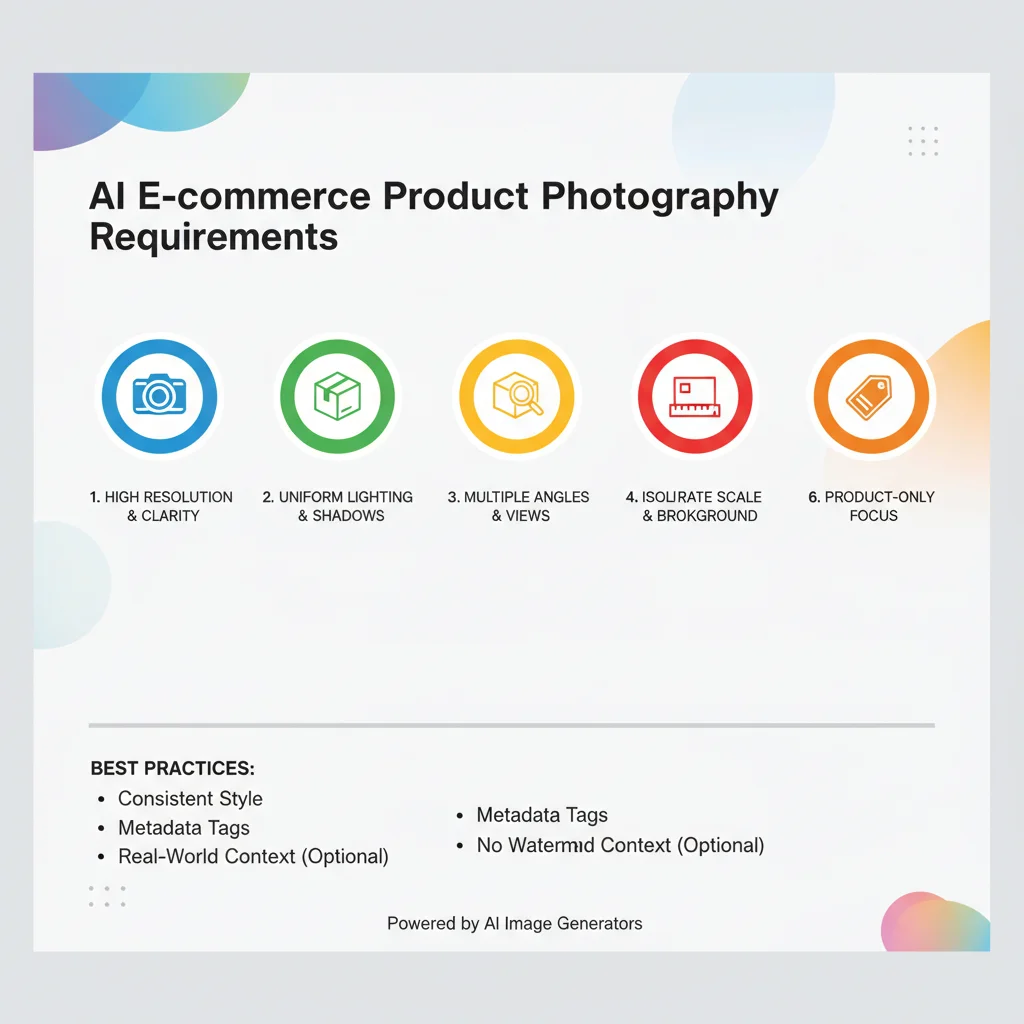
To qualify as the best ai image generator for product photography, a platform must excel across four core professional pillars:
- Clean backgrounds and product isolation: Most e-commerce platforms (such as Amazon, Shopify, and eBay) require clean white or transparent backgrounds for primary product images, with the product properly isolated, centered, and free of artifacts.
- Accurate product representation: The generated image must accurately represent the actual product (including colors, proportions, fine details, and materials) so customers are not misled, which helps minimize return rates.
- Lifestyle and contextual mockups: In addition to clean product shots, brands need lifestyle images showing the product in use, in context, or styled naturally with complementary props.
- Commercial usability at scale: The images need to be produced quickly and cost-effectively, with minimal human editing, while meeting platform requirements and brand standards.
Why Flux is the Best AI Image Generator for Product Photography in 2026
Flux has emerged as the overall best ai image generator for product photography and e-commerce assets. Developed by Black Forest Labs, the team behind the original Stable Diffusion models, Flux has set a new standard for text-to-image generation, particularly for professional applications.
In evaluations across various e-commerce use cases, Flux consistently outperforms older models in several key areas:
- Unmatched prompt adherence: Flux follows complex prompts with incredible accuracy. If you ask for a "matte black ceramic coffee mug on a clean white background, studio lighting, centered, high-resolution," Flux delivers exactly that without adding random decorative elements.
- Exceptional text rendering: One of the historic pain points of AI image generation has been text. Flux can render legible, sharp text on product labels, packaging, and branding materials, making it invaluable for packaging mockups.
- Anatomy and structural realism: Flux maintains realistic proportions and structural integrity, ensuring that products do not look warped, melted, or physically impossible.
- Open-weights flexibility: Because Flux is available as an open-weights model, agencies can fine-tune it on their own product catalogs using LoRA (Low-Rank Adaptation) technology, allowing for highly consistent product generation across multiple angles.
For the majority of clean product photography and e-commerce asset needs in 2026, Flux is the primary tool of choice.
Limitations: While Flux is highly capable, generating complex lifestyle and contextual product mockups can still require advanced prompting or post-generation editing to achieve perfect realism.
Midjourney for Lifestyle and Contextual Product Mockups
While Flux excels at clean, precise, and text-accurate product shots, Midjourney remains a powerful tool for creating highly stylized, aspirational lifestyle and contextual product mockups.
Midjourney is widely recognized for its artistic, cinematic rendering capabilities. It is particularly effective for:
- Creating compelling lifestyle imagery: Showing products in use (e.g., a hiking backpack on a trail at sunset, or skincare bottles arranged on a marble vanity next to fresh flowers).
- Generating contextual mockups: Placing products in realistic, aesthetically pleasing environments that match a brand's visual identity.
- Aspirational marketing assets: Producing high-end, editorial-style imagery for social media campaigns, lookbooks, and homepage banners.
Many e-commerce brands adopt a hybrid approach: they use Midjourney for creative lifestyle mockups where mood and atmosphere are more important than absolute product accuracy, while relying on Flux or traditional photography for clean, high-accuracy product listings.
Limitations: Midjourney does not offer an official, easily accessible API for mass automation, and its closed ecosystem makes it harder to train on specific, proprietary product shapes compared to open-weights models like Flux.
Alternative Tools: Adobe Firefly and Specialized E-commerce Platforms
Beyond Flux and Midjourney, several other tools offer unique advantages for product photography workflows:
Adobe Firefly
Adobe Firefly is deeply integrated into the Adobe Creative Cloud ecosystem, particularly Photoshop. Its standout feature is Generative Fill, which allows designers to select a portion of an image and replace it using text prompts. This is incredibly useful for taking a real photo of a product and changing the background, adding props, or adjusting the lighting. Additionally, Adobe Firefly is trained on licensed content and public domain images, making it one of the safest options for commercial legal compliance.
Specialized E-commerce AI Tools
Platforms like Photoroom, Claid.ai, and Pebblely are built specifically for e-commerce. Instead of generating images from scratch, these tools allow you to upload a real photo of your product, automatically isolate it from its background, and place it into a variety of AI-generated scenes. This solves the problem of "product accuracy" entirely, as the product itself is a real photograph, while the background is AI-generated.
Comparing the Top AI Image Generators for Product Photography
To help you determine which tool fits your specific workflow, here is a comparison of the leading options in 2026:
| AI Generator | Best Used For | Text Rendering | Product Accuracy | Commercial Safety |
|---|---|---|---|---|
| Flux | Clean product shots, packaging mockups, automated pipelines | Excellent | Very High | High (Open-weights/Commercial licenses available) |
| Midjourney | Aspirational lifestyle shots, editorial marketing assets | Moderate | Moderate | Moderate (Evolving legal landscape) |
| Adobe Firefly | Generative fill, background replacement, legal compliance | Good | High (When editing real photos) | Excellent (Indemnity options available) |
| Photoroom / Specialized | Rapid background swapping for existing product photos | N/A (Uses original photo) | Perfect (Preserves original product) | High |
How to Choose the Best AI Image Generator for Product Photography for Your Brand
Selecting the right tool depends on your technical resources, volume requirements, and how you plan to use the images. If you are a small Shopify merchant with limited design experience, specialized tools like Photoroom or Pebblely offer the lowest barrier to entry. They preserve your actual product photo while giving you beautiful, instant backgrounds.
For mid-sized brands and creative agencies with in-house designers, a combination of Flux and Adobe Photoshop is often the most powerful setup. Flux provides the raw generative power and precise prompt adherence, while Photoshop allows for pixel-perfect adjustments and compositing.
If your primary goal is high-end, editorial marketing campaigns where emotional resonance and visual style are paramount, Midjourney remains an industry favorite for generating stunning lifestyle backdrops.
The Ideal AI Product Photography Workflow for 2026
The most effective e-commerce brands do not rely on a single "generate" button. Instead, they use a structured, multi-step workflow to ensure quality, consistency, and platform compliance.
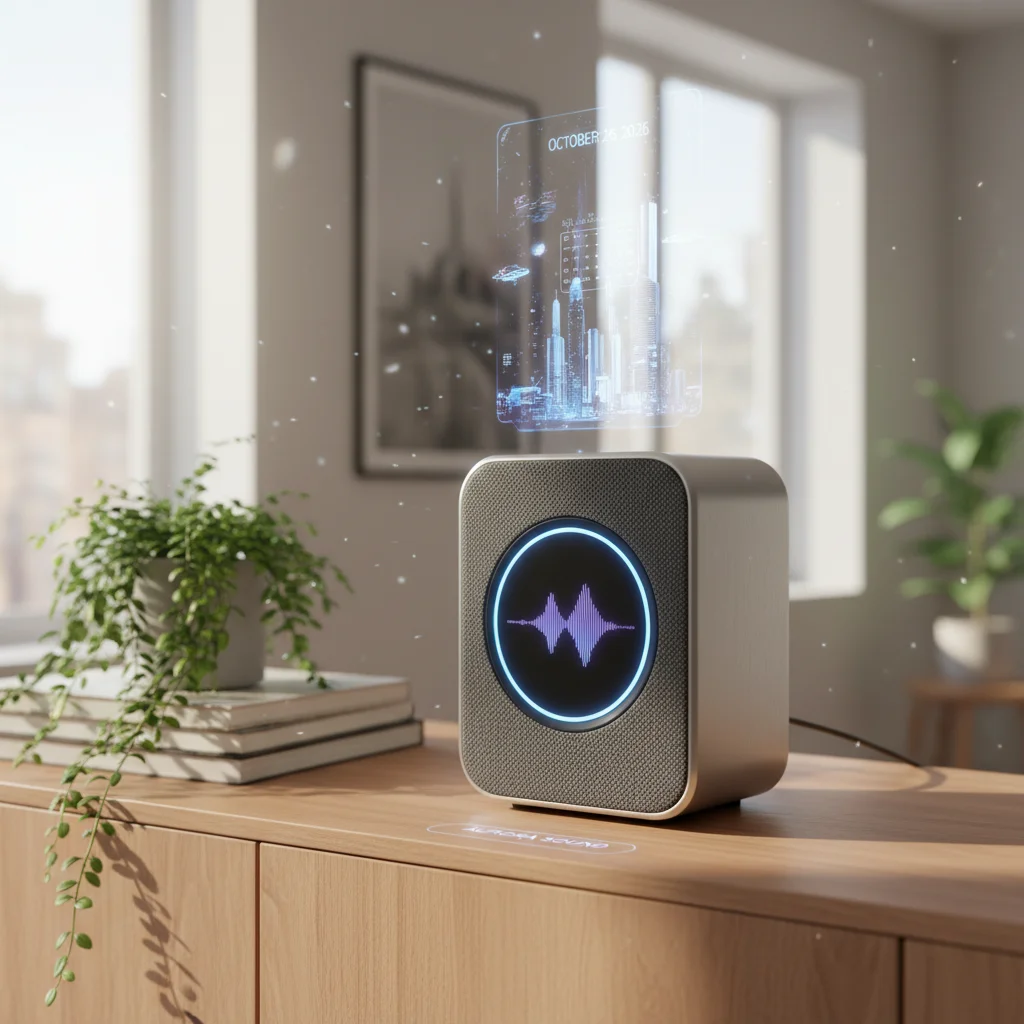
Here is the recommended workflow for professional teams:
- Source Capture: Take a high-quality, well-lit photo of the physical product. Even a smartphone photo with good lighting works as a baseline.
- Background Isolation: Use an AI tool (like Photoroom or Photoshop's Quick Select) to remove the background and isolate the product.
- Scene Generation: Use the best ai image generator for product photography (such as Flux or Midjourney) to generate a high-quality background or lifestyle scene that matches your brand's aesthetic.
- Compositing and Integration: Place the isolated product photo into the AI-generated scene. Adjust shadows, reflections, and color grading to ensure the product looks naturally integrated into the environment.
- Quality Control and Upscaling: Run the final image through an AI upscaler if necessary, and have a human designer review it for any visual anomalies or brand inconsistencies.
This hybrid approach typically delivers 50% to 80% cost and time savings compared to traditional studio photography, while maintaining the absolute physical accuracy of the product being sold.
Key Challenges and Limitations of AI Product Photography
Despite the dramatic efficiency gains, AI-generated product imagery is not without its challenges. Brands must navigate several technical and ethical hurdles in 2026.
- The "Uncanny Valley" of Products: If an AI model generates the product from scratch, minor errors in texture, stitching, or reflections can make the product look cheap or fake, eroding customer trust.
- Platform Compliance: Marketplaces like Amazon have strict guidelines regarding primary product images (e.g., pure white backgrounds, no watermarks, specific cropping). Fully AI-generated scenes often require manual editing to comply with these rules.
- Legal and Copyright Uncertainty: The legal landscape surrounding AI-generated art is still evolving. Brands must ensure that the tools they use are trained on ethically sourced data or offer commercial safety guarantees, like Adobe Firefly.
- Consistency Across Variations: Generating a product in five different colors or from three different angles using pure text-to-image generation remains difficult. This is why hybrid workflows (combining real photos with AI backgrounds) are highly recommended.
By understanding these limitations and implementing a rigorous human-in-the-loop quality control process, e-commerce brands can safely leverage AI to scale their content production without compromising on quality or trust.
Related reading: Best Image Tools for Text · Best Image Workflow for Designers · Best Image Generator for Marketing